Julia Cameron’s cult found me back in 2016. I was extremely depressed, not that I need to explain but, after a mix of personal and political losses. I was probably googling things like “how not to be a loser” “how not to feel like you are losing all days” “how to function like a normal person” “how not to be sucked into the void of darkness and inertia…” Clicking through random sites, I found a blog (one of those shiny semi-fake self-development blogs with lots of ads) that mentions the “Morning Pages” with credit to Cameron. For some reason that I can’t still explain I was intrigued, found her website, found the pdf of her now-resurfacing book Artist’s Way, and started reading. She opens the book with the argument that there is something akin to religious belief in the process of writing, that God writes through you. For me, it was a leap of faith to even follow this 3-page-every-morning exercise. But I felt I had no better advice to pick myself off the floor anyways. Soon after I started, I was already having “revelations” about myself, finally going to therapy, and paradoxically energized by this weird action that in fact consumes some time and mental juice.
I continued a good while and preached the virtues of the practice (and Cameron’s book that has other exercises for creativity) to anybody who showed any inclination to follow through. Meanwhile I began working for my dissertation research; to save time, my morning practice became a freewriting on my cases and readings. After a (long) while I began working on a chapter directly, so the freedom of just putting words out there without censor went out the window. In fact, I became a bit fearful of this freedom, because there were times I felt it led me to mistaken conceptions, overenthusiastic conclusions, or elliptic ideas that are not useful for others but me. And I ran with them, sometimes. Perhaps mixing these two styles of writing was a mistake to begin with. I am still thinking about what happened when, how I produced what I did like, what did get in the way of being more efficient about academic writing.
When I returned home for the winter break two weeks ago, my dear friend (a Cameron convert, and one third of a “good life think-tank” that was the motivating source of this very blog) Murat gave me Cameron’s The Right to Write as a new year gift. Reading her writing on writing does feel like returning home. Especially now that I am going through a dull period as I try to finish this chapter, fill in its blanks, edit out its grandiosities and baseless verdicts. Until very recently I used to believe that I can only write in one medium and genre at a time, that this is my capacity. But perhaps I can write my dissertation, blog about artsy stuff, freewrite for chapters, and still do some personal writing in parallel. Not all at the same time, but I realize I just don’t need to pick one and lose the rest or substitute one for the other.
Last month I wanted to write here about Alla Kovgan’s Cunningham documentary I saw with Ryan and Andy. But somehow I got invested in it (or in blogging) in a high-stake way and my censor stepped in. Instead I told friends about the film, which is not bad but misses the point of reflecting in writing and discovering more. And now that I have a very fixed verbal script of my impression, I feel I can’t go further than that even if I attempted to write.
[…as a documentary-making the film doesn’t offer that much historic information, at least not more than what you could get by reading. The feat is the 3D filming of the major choreographies at stunning architectural sites. For the first time I understood (experienced? enjoyed) what Cunningham was trying to do. You really need to watch these choreographies like visual art, and for you to do that you need to get closer. The 3D renditions do exactly that. My brain and body were endlessly stimulated and I often found myself wanting to see more. The film underlines Cunningham’s self-description as a dancer first, and he created structures that he would enjoy dancing in at the end of the day. Perhaps drawing closer helps us feel that joy in a way we couldn’t on proscenium stage…]
pretentious performance critic, 2019
This entry was my bribe for going back to edits and final writings for the chapter. Before I leave, I want to put, without annotations, some words that I’ve encountered in the past 24 hours that have moved me to write this. Cunningham trailer at the end, hadi yine iyisiniz.
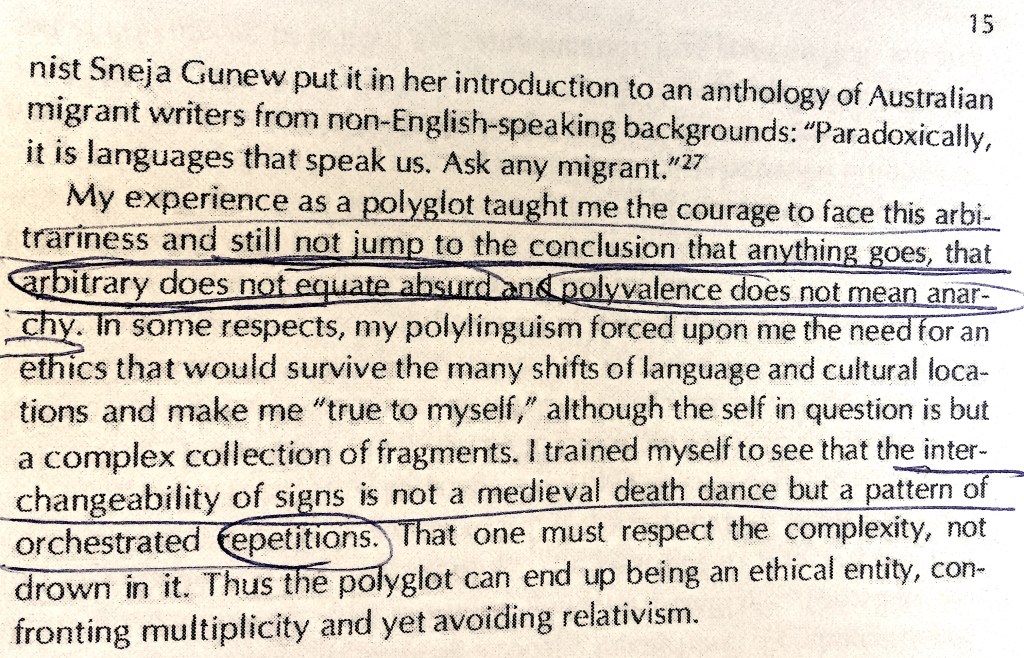
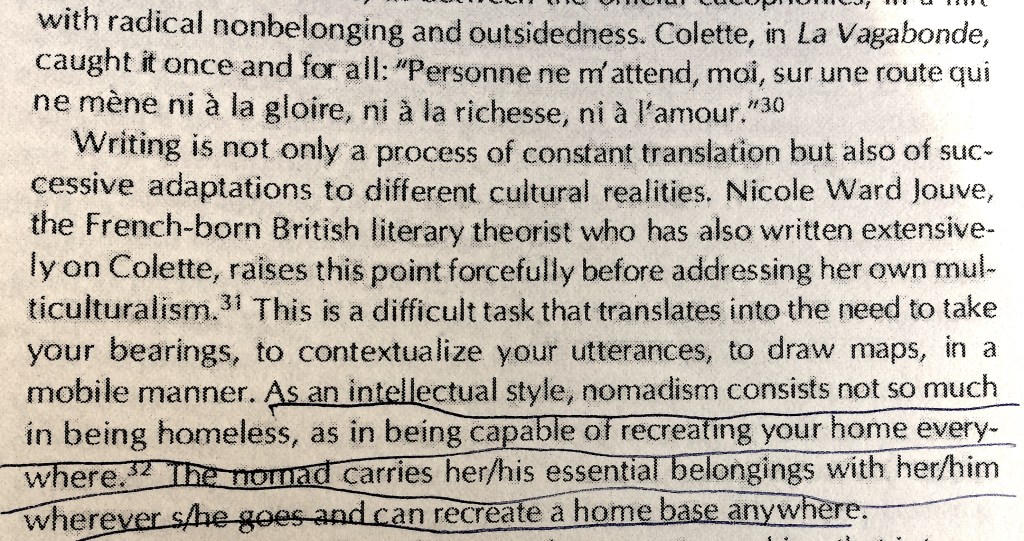
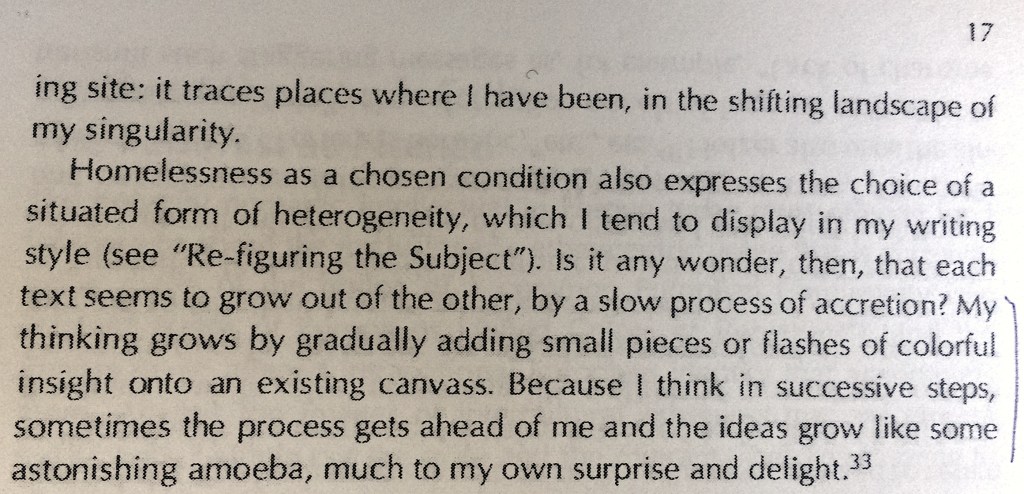
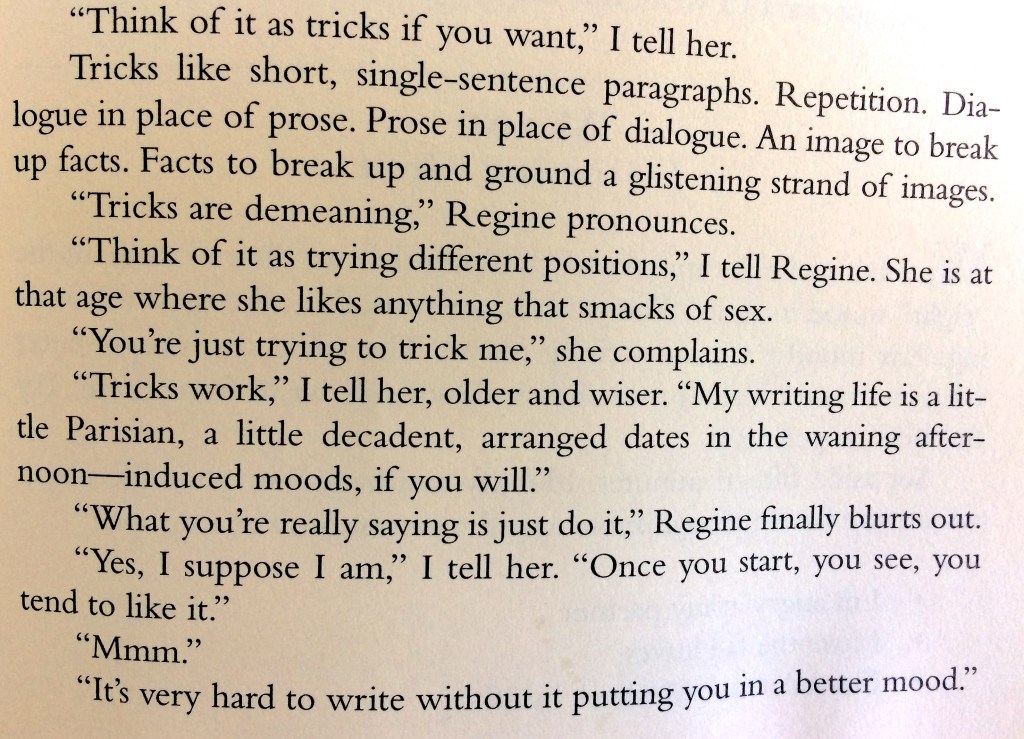
UPDATE on the making of: https://hyperallergic.com/548236/cunningham-documentary-behind-the-scenes
 Eylül Fidan Akıncı