Talks & Events & Updates
I will be joining JC Hernandez and Mawuto Dotou on questions of ownership and inclusivity of dances, especially that of Hip Hop, club and street styles. Dec 13th, 15:00-18:00 @Wiese Hamburg as part of Tanztriennale.
Join on Zoom!
Publications
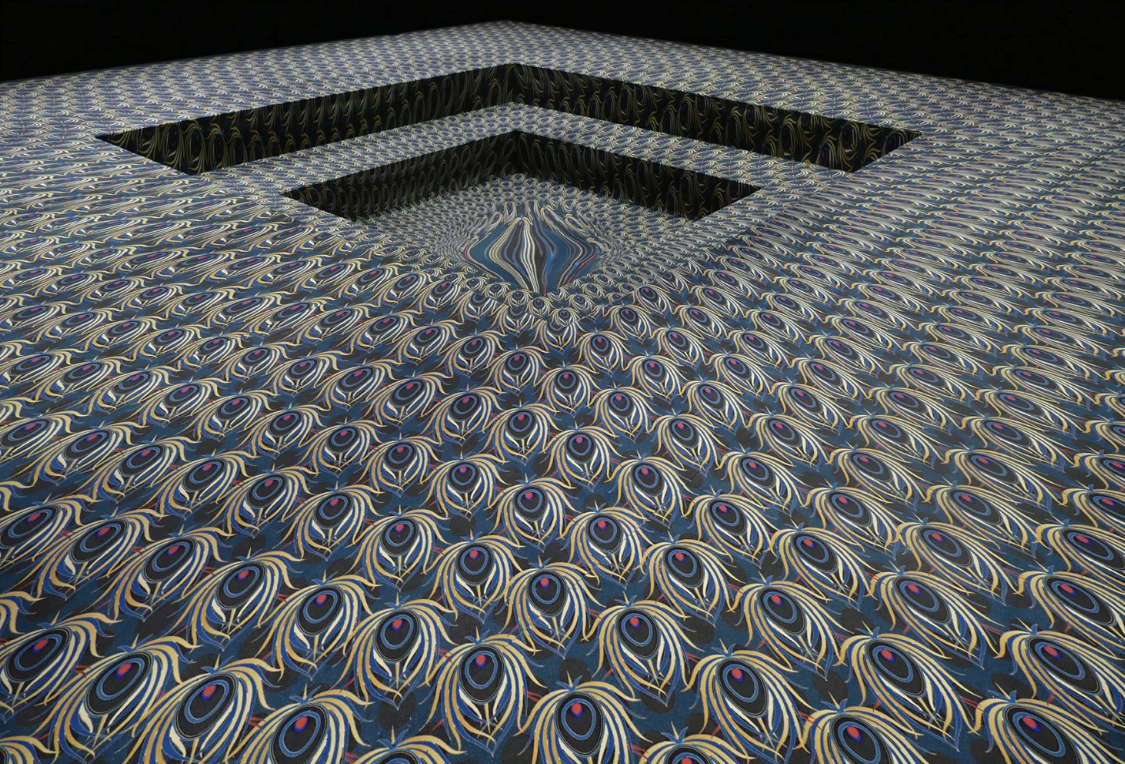
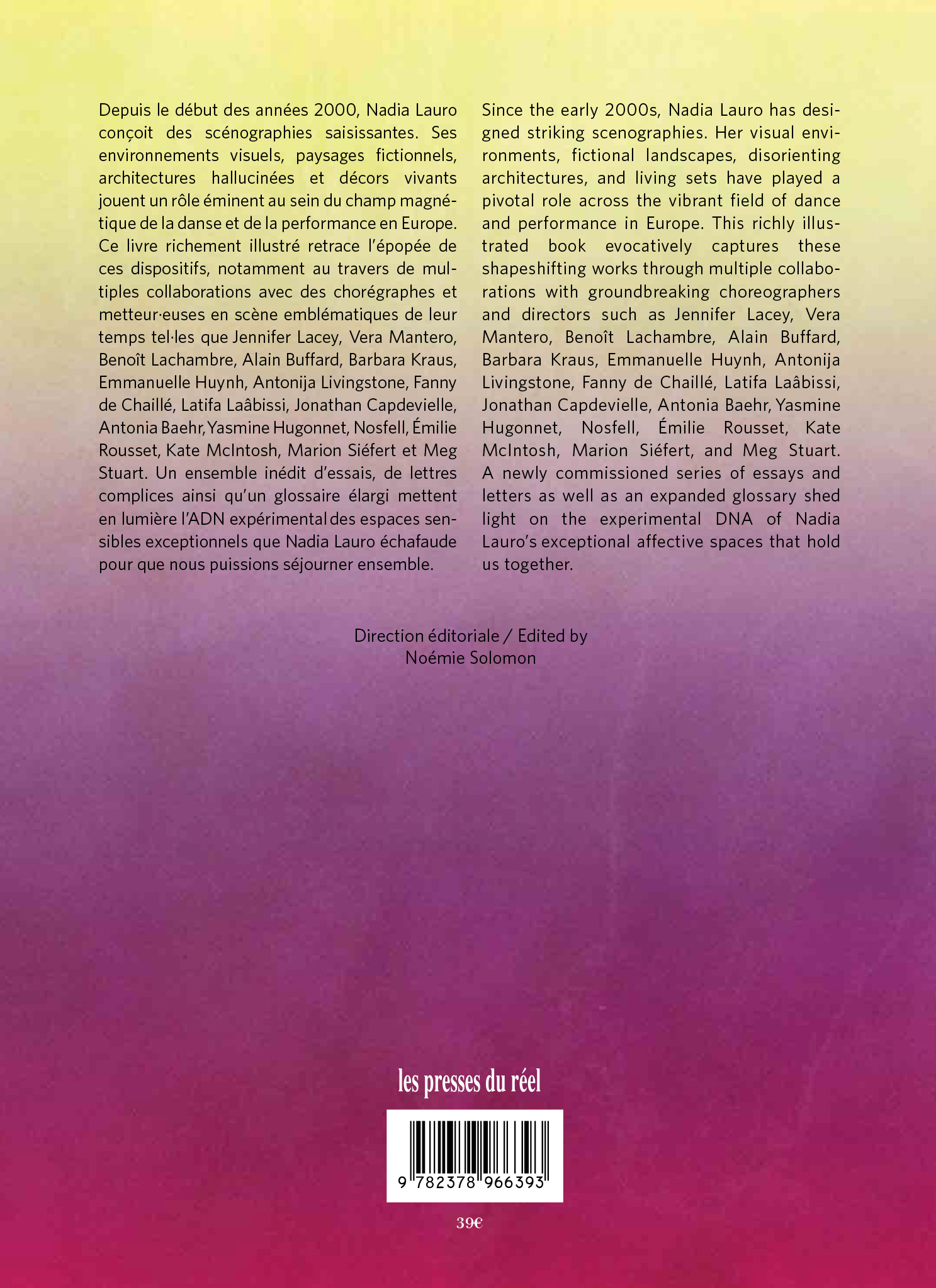
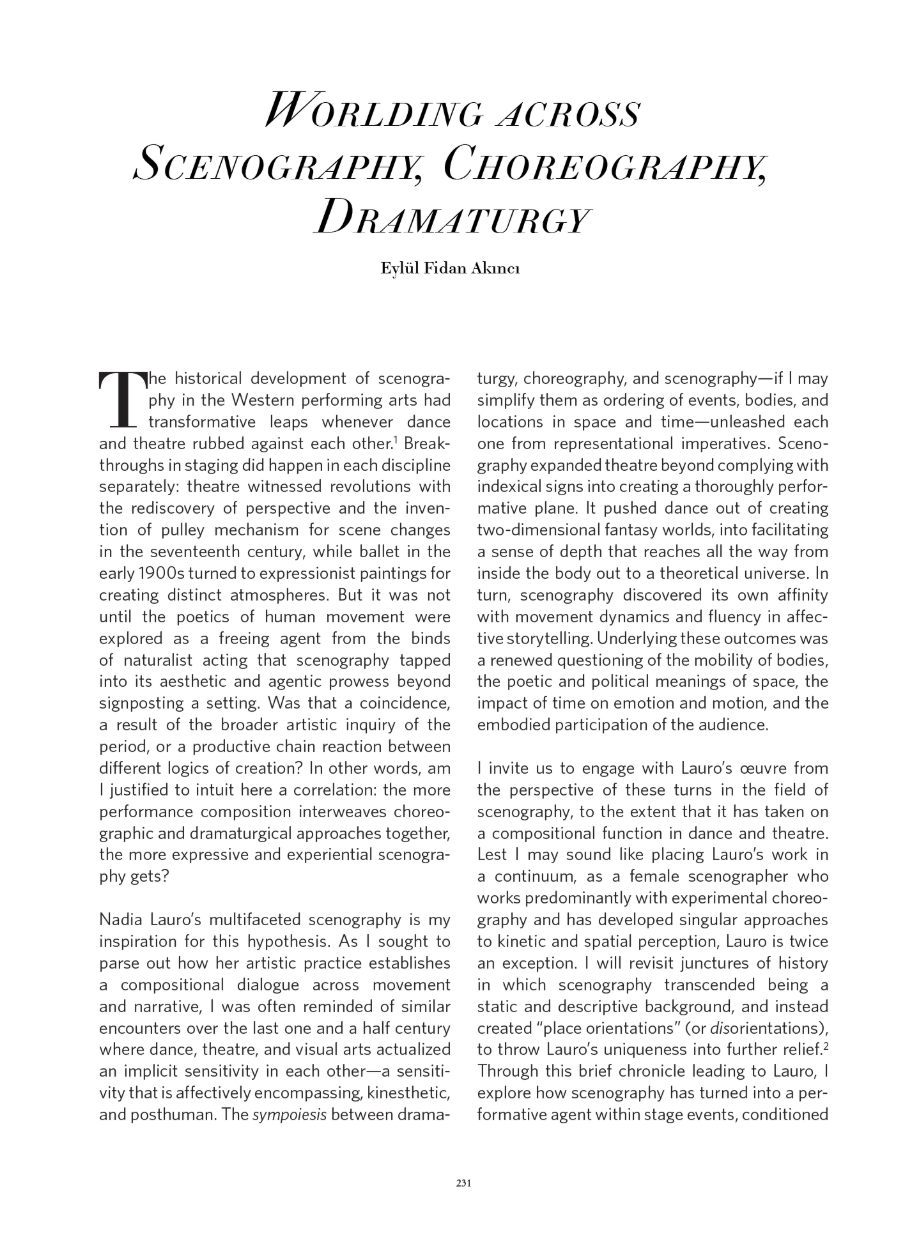
Worlding across Scenography, Choreography, Dramaturgy
My essay on historical triangulations between scenography, choreography, and dramaturgy is getting published in artist monograph Nadia Lauro: Scénographies, edited by Noémie Solomon, forthcoming late 2025.

‘I Have the Need to Never Arrive’: A dialogue with Cherish Menzo
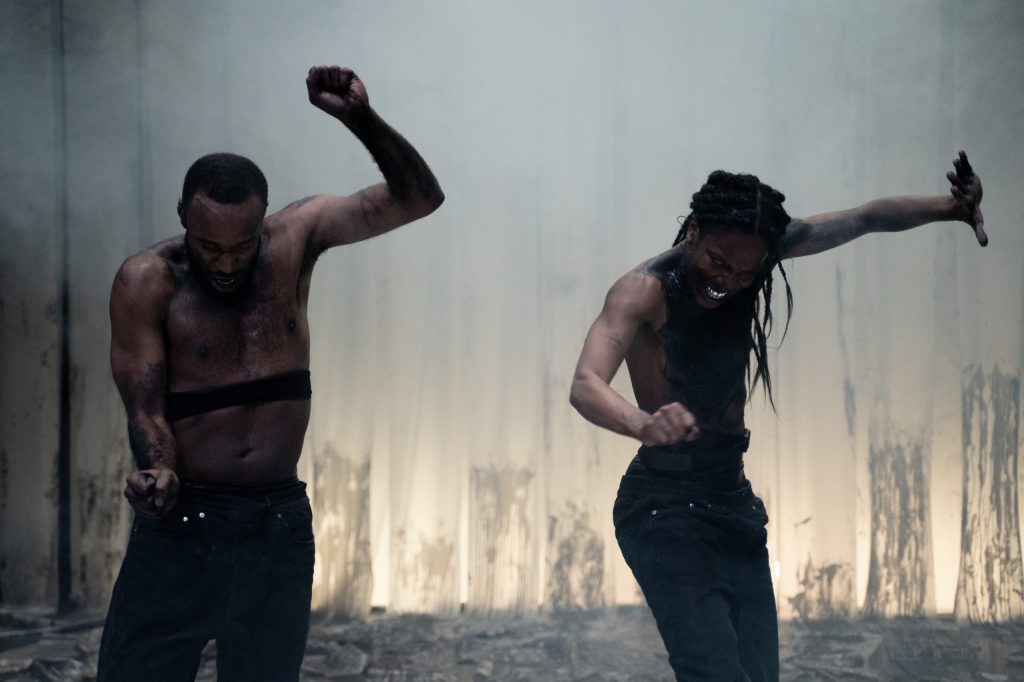
Roberta Da Soller, Jonas Rutgeerts and I participated in a mind-altering dialogue with artist Cherish Menzo on Black posthumanism, inhabiting transcendent forces, distortion and ambivalence in interrogating contemporaneity in dance, among other dimensions of her rich practice. It just came out on the Performance Research issue “On Activation” in November 2024.

Performance Research
“On Activation”
The new always happens against the overwhelming odds of statistical laws and their probability, which for all practical, everyday purposes amounts to certainty; the new therefore always appears in the guise of a miracle. The fact that man is capable of action means that the unexpected can be expected from him, that he is able to perform what is infinitely improbable… Action as beginning corresponds to the fact of birth. Hannah Arendt, The Human Condition, 178.
Hannah Arendt’s words, written over 60 years ago, continue to resonate. As cities, regions, countries or parts of countries are slowly, and at times intermittently, opening up to the outside again after periods of quarantine and strict social distancing measures, we reflect on her observations of action as beginning. Politicians, the global mass media and social media disseminate messages on potential exit strategies from COVID-19 and articulate what they deem to be the common sense necessary to guide us forward to ‘the new normal’. But is exit the direction in which we should be headed, and headed as quickly as possible? And where would ‘new beginnings’ take us? Does the ‘new’ obliterate the layers of already precarious histories and subjects (human and non-human)?
In her critical assessment of The Human Condition, Ariella Azoulay proposed a shift from the temporal axis of the ‘new’ and its historical markers such as ‘beginning’ and ‘end’. Revealing the ‘new’ as an imperialistic trope, Azoulay is concerned with rehabilitating and (re-)activating histories, skills, practices, epistemologies and futures. Activation is not only conducted by declared activists operating within protest movements or nongovernmental organizations. It also entails sustained efforts across time that insist on unlearning imperialism, colonialism and racial capitalism. By extending Azoulay’s question to our field, we ask: how would these agendas of activating the new and reactivating the past for equity manifest in performance, art history and aesthetics?
In this thematic issue, we interrogate how art and performance can activate or reactivate concepts and practices of ‘beginning’ or ‘beginnings’ without defaulting to the erasure of history. Activating efforts, actions and epistemologies have long histories and have long attempted to exit imperialist, colonialist and capitalist hegemony. What does it mean to activate such beginnings or already existing decolonial or queer potentialities? What forms of relations between actors (human and non-human) may emerge through such a task? How can artists collaborate with institutions to circumvent the limitations of authoritative bureaucracy?
I have truly enjoyed attending to Christel's conceptual framing of this issue, and selecting a resonant combination of scholarly research and artistic reflections out of numerous wonderful proposals.
Editors:
Christel Stalpaert, Eylül Fidan Akıncı
Publication Date:
12 November 2024
 Eylül Fidan Akıncı
You must be logged in to post a comment.